I build the systems that let advisors, faculty, and staff do their best work — then get out of their way.
Most institutional software asks people to adapt to it. I build the opposite — tools that meet staff inside the systems they already use, absorb the complexity, and quietly hand back time, accuracy, and confidence.
The measure of the work isn't the code. It's whether an advisor, a faculty member, or a student ever has to think about it at all.
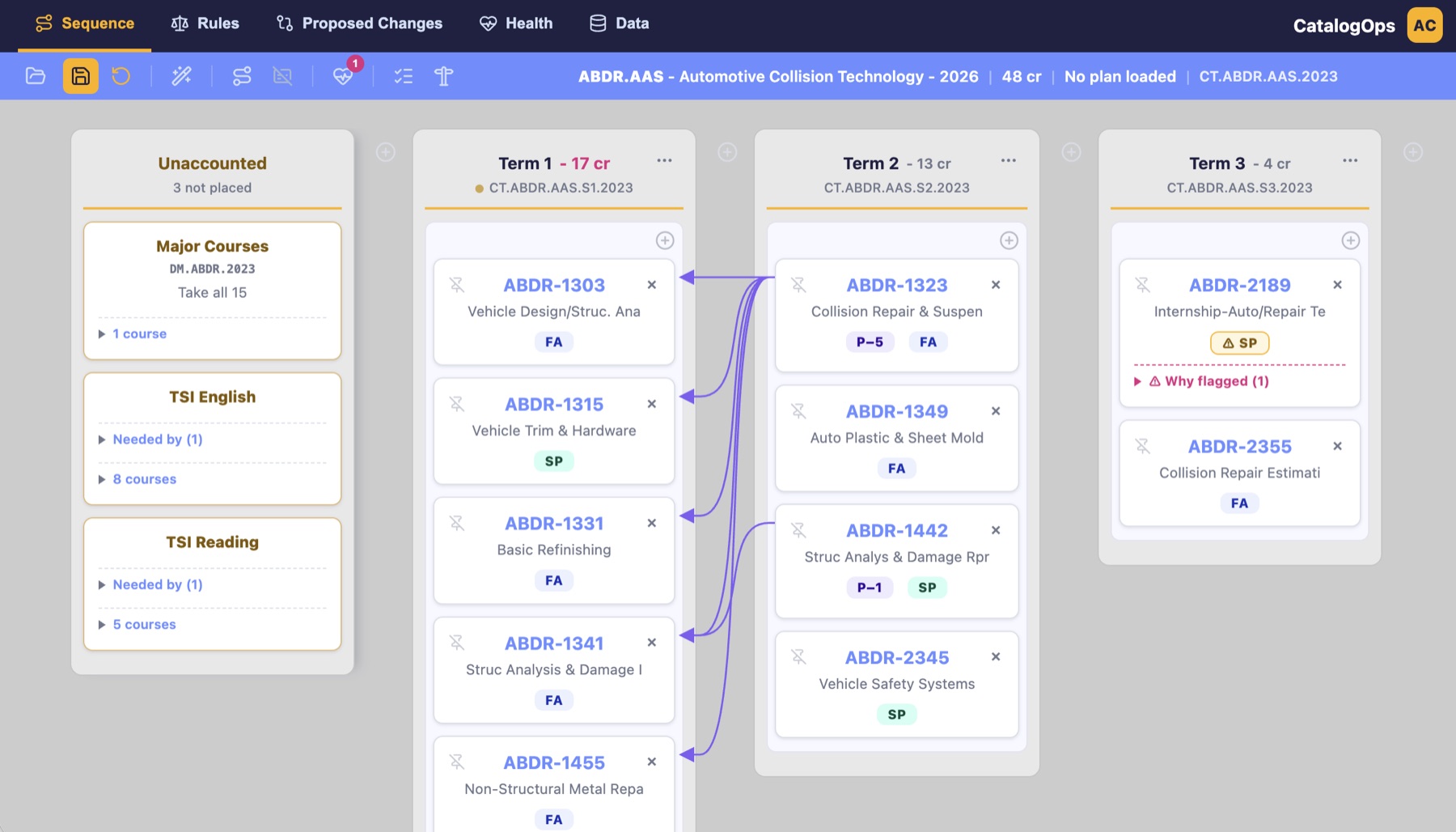
A conflict engine that catches 20 real catalog contradictions before a student ever feels them — surfacing the why, who, and fix behind each one.
READ CASE STUDY →

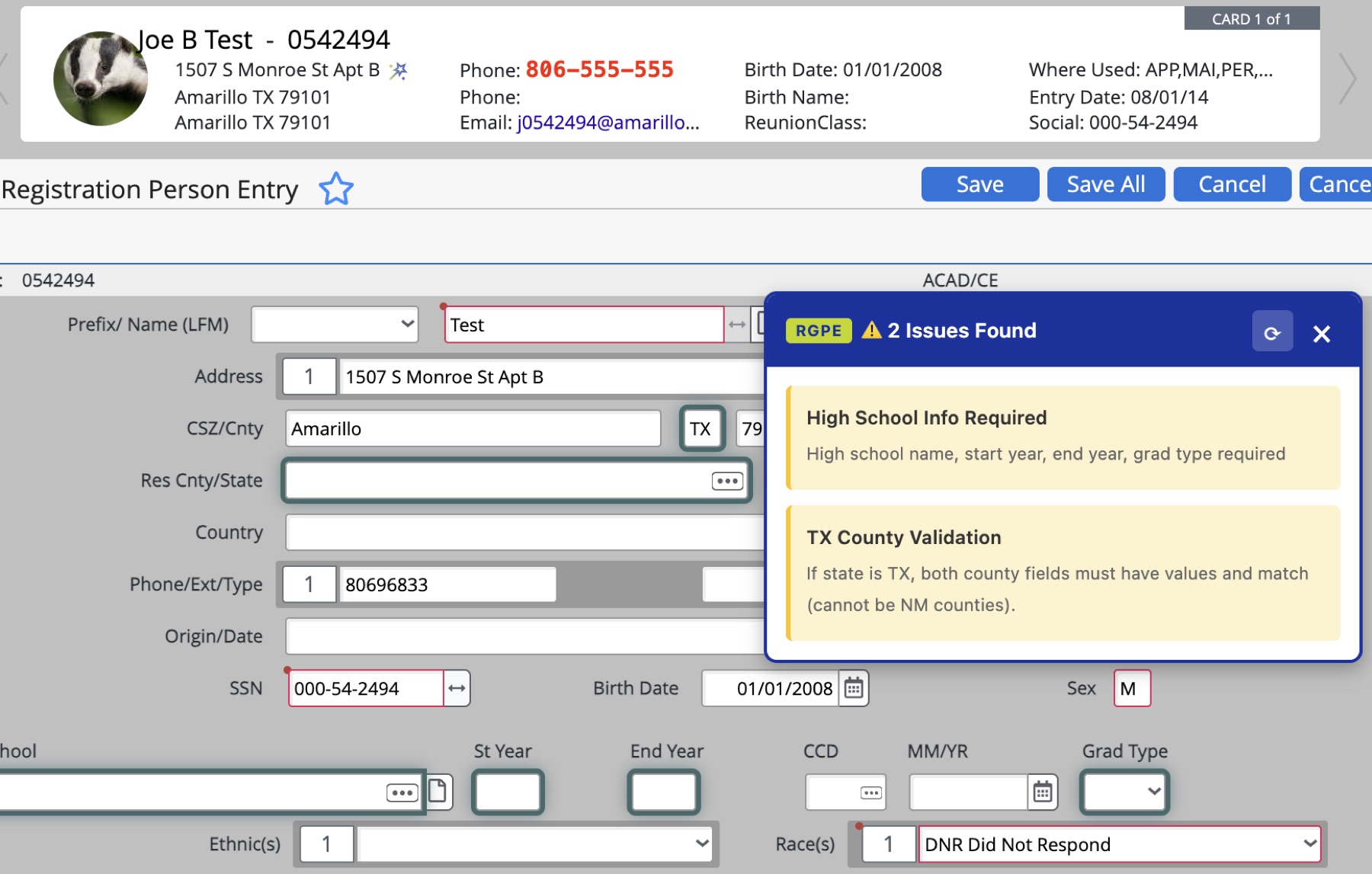
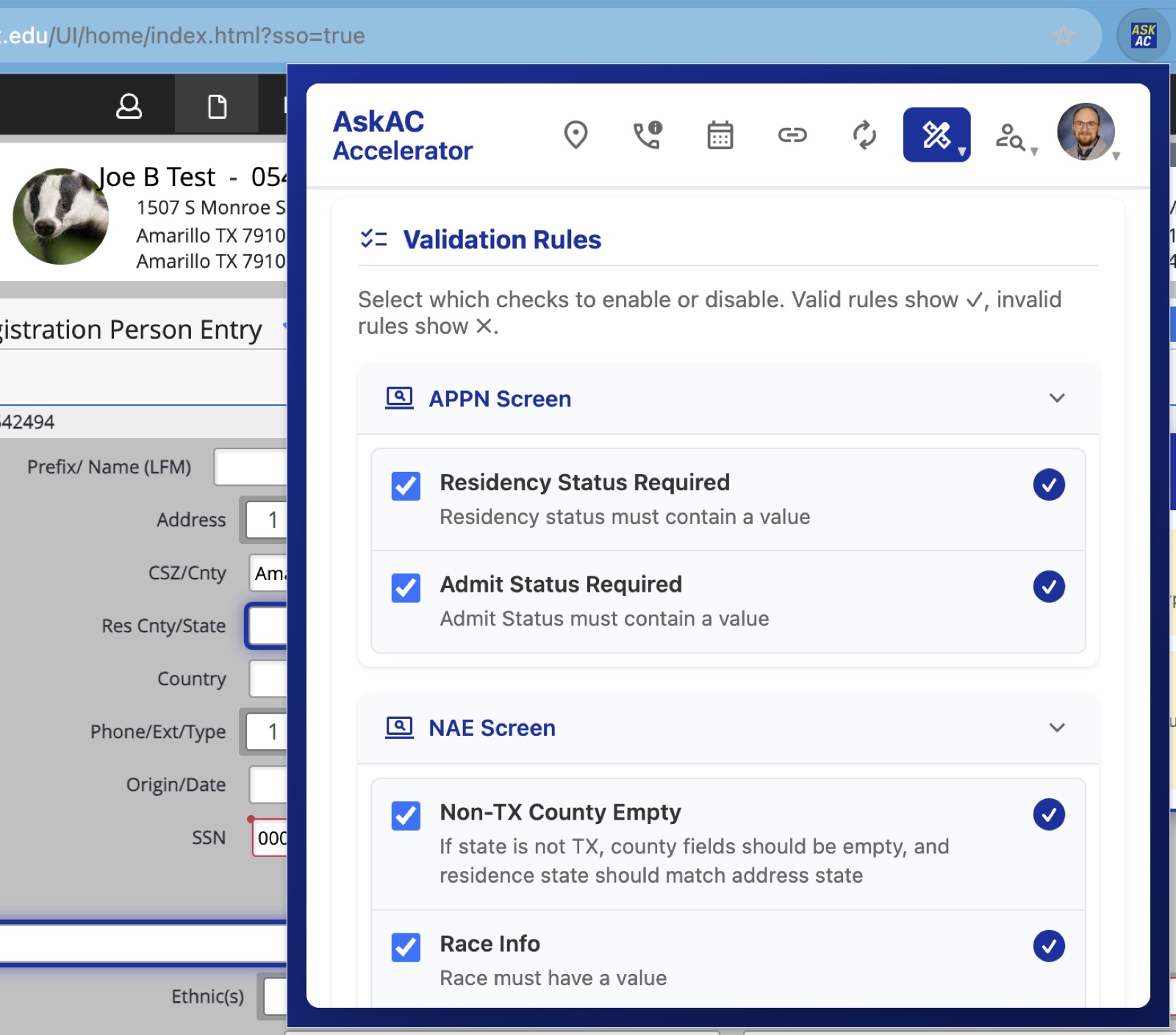
The same idea solved two very different problems: extensions that live inside the tools staff already use — no new system to adopt, no retraining.

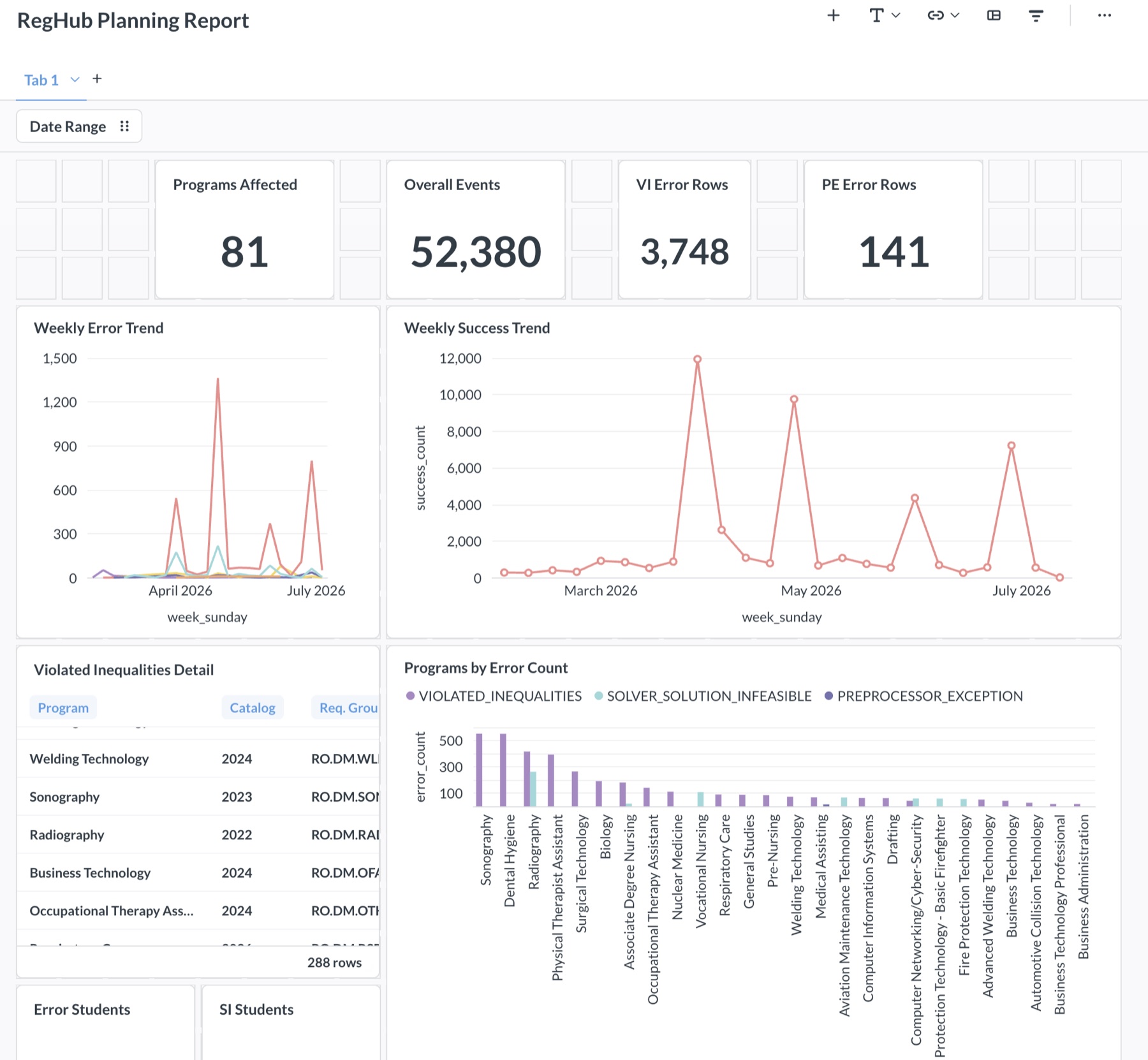
A self-hosted analytics stack turning fragmented source systems into one queryable picture — 645K rows in the analytics table across 366 catalogued source tables.
READ CASE STUDY →
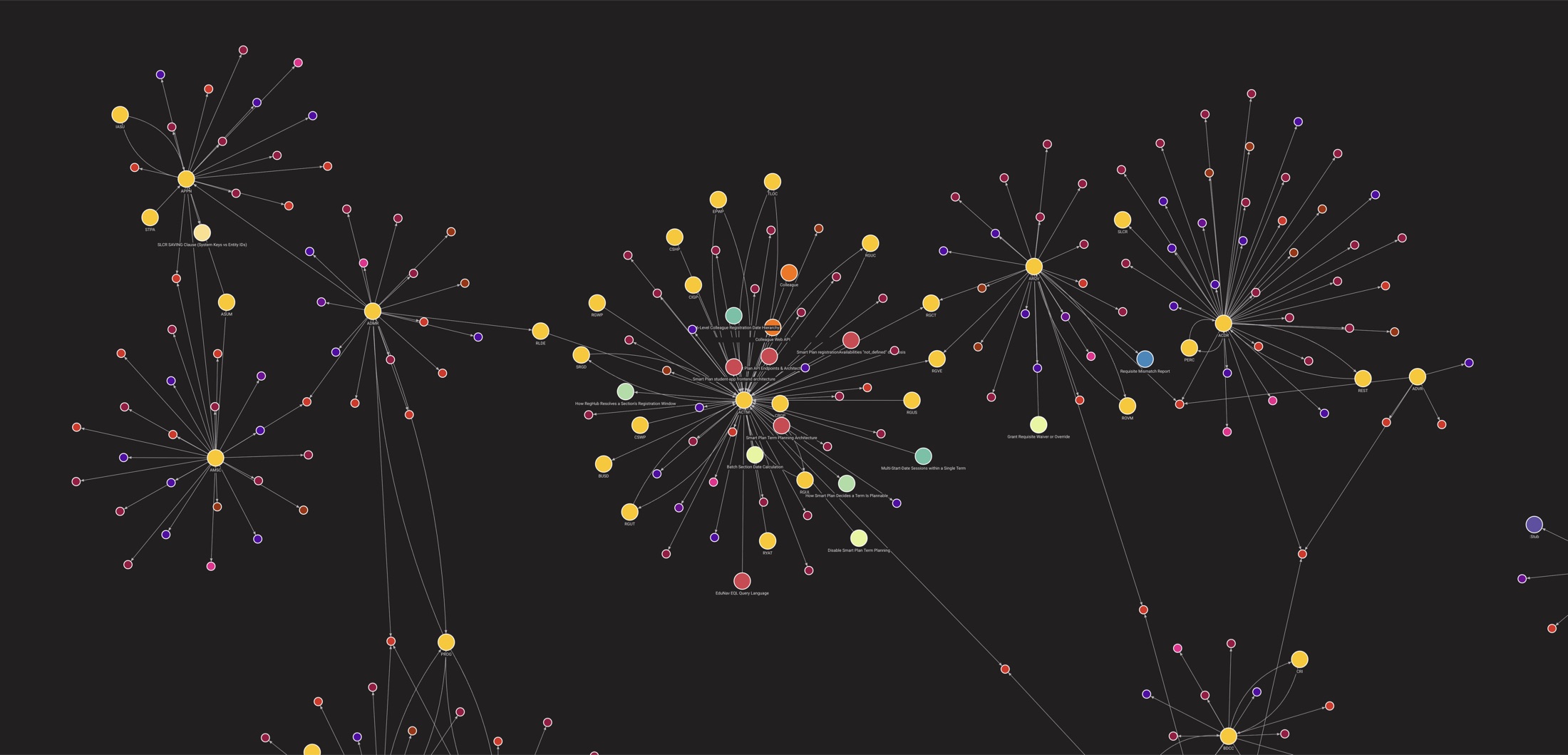
4,600+ interconnected nodes — the institution's policies, systems, screens, and processes rendered as one navigable map.
READ CASE STUDY →A guided residency-determination form that walks staff to a defensible answer, step by step.
A script collection that automates the recurring CRM data pulls the team used to run by hand.
SMS and automated voice calls built on Twilio, with the per-message and per-call cost modeled to the cent before launch.
Alongside the builds, I coach. As a Gallup-certified Strengths coach and founder of Ethos Coaching & Consulting, I spend as much time developing the people around a system as I do designing the system itself — because adoption is a human problem before it's a technical one.